This is a premium Spotlight article, exclusive to newsletter subscribers. If you’d like full access, please sign-up to our newsletter.
Last week, the philosophical, scientific and cultural magazine Aeon asked a big question — one that has bubbled under the surface of the screenwriting world for a long time but has erupted into the public discourse in recent years: is traditional narrative structure a prison — a product of thrusting masculinity, imperialism, colonialism and cultural appropriation?
Three-act structure and the Hero’s Journey were the targets here, and the fear the article expressed, one shared by all but the most conservative writers, was that traditional narrative structure might well be a western construct. Surely there must be other ways, more sensitive methods, of capturing and rendering reality in story?
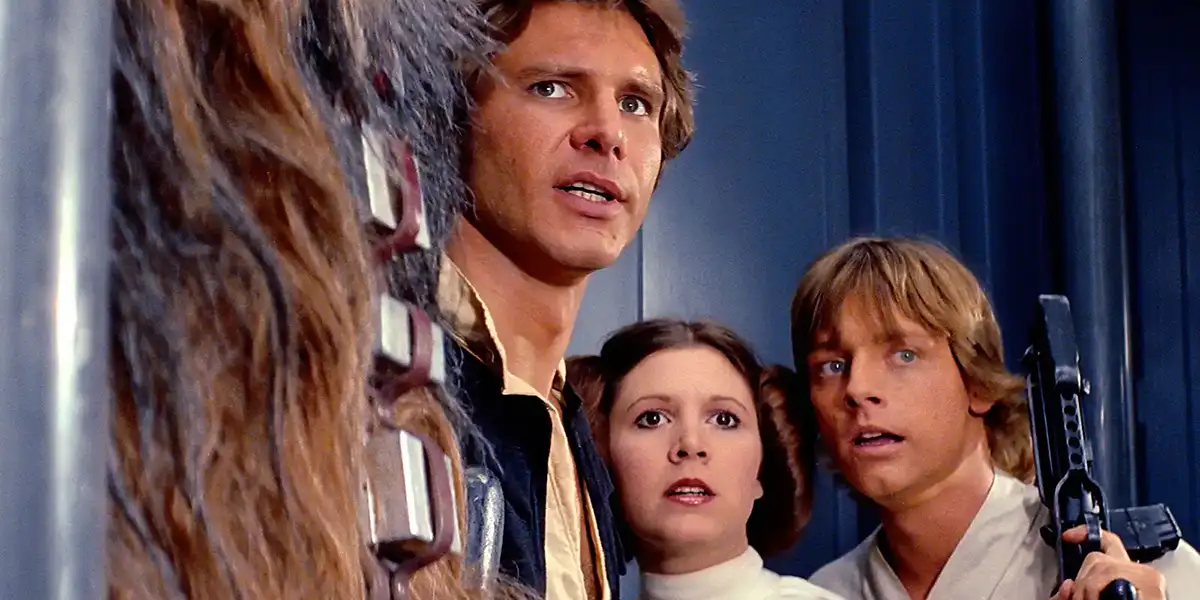
The Hero’s Journey was first introduced to the wider screenwriting world via Christopher Vogler, a Disney script analyst. Realising that George Lucas had built the absurdly successful Star Wars saga around the works of the comparative mythologist Joseph Campbell, he reasoned that it might make sense to build a paradigm that would allow numerous others to do that. It began as an inter-company memo, but quickly caught fire. That Aeon is even discussing it 40 years after its coining tells you all you need to know about how great its hegemony is.
Aeon‘s article is full of material any screenwriter would relish — great interviews, fascinating links and pithy observations. The thrust of its argument, however, is that the Hero’s Journey is formulaic, reductive and conservative — that it’s only one way of telling a story — and that there must be better ways to capture reality, ones that don’t finally reduce a condensed and sanitised reality to simplistic and conservative sludge.
Want to read the rest of this article?
Sign-up to our newsletter to gain full access to all of our premium Spotlight articles.